
Quality Bookkeeping Cleanup matched to the bank
We clean up the books, match them to the bank, and prepare the statements and the return, with Steven Palmieri, a Tax CFO and the Entrepreneur's CFO.

Tell us the month
 You will be talking to the Steven Palmieri practice.
After the checks pass, the decisions start.
A cleanup that passes gives you last year back. The Tax CFO uses a true month for the owner's pay, rebuilds the estimate from months that closed, and makes the October call on numbers that passed. Once that month is true, the next decision is one you can make with us.
The deposit the invoice skipped
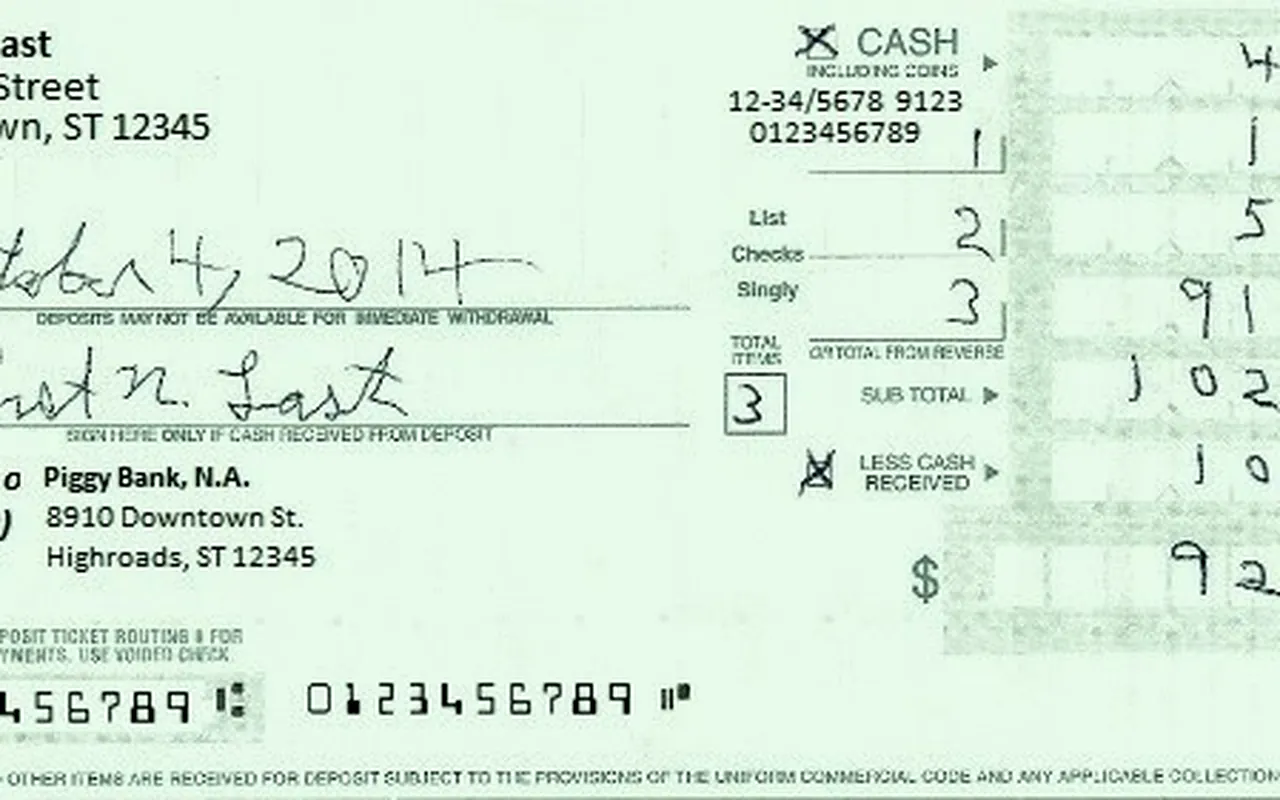
Tuesday afternoon the bank still shows one deposit the books never named. We leave that line open until it has a home.
Click to see the bank ›Tap to see the bank ›
When finished was a guess
A busy Tuesday can look closed and still fail the bank. We run that check before anyone pays the rest.
Click to see a miss ›Tap to see a miss ›
What owners ask once the invoice is out
Did the bank match, is the gap written down, did that invoice earn the word finished, and who would sign.
Click to read questions ›Tap to read questions ›
Why the checks wait for the invoice
The checks start when someone says the work is finished, not while lines are still being moved.
Click to see timing ›Tap to see timing ›
After you can point at the month
A passed month has a date you can name and a deposit that finally has a line.
Click to see a pass ›Tap to see a pass ›
Who picks up when you call
Steven Palmieri picks up. We walk the open deposit with you before anyone calls the file finished.
Click to meet us ›Tap to meet us ›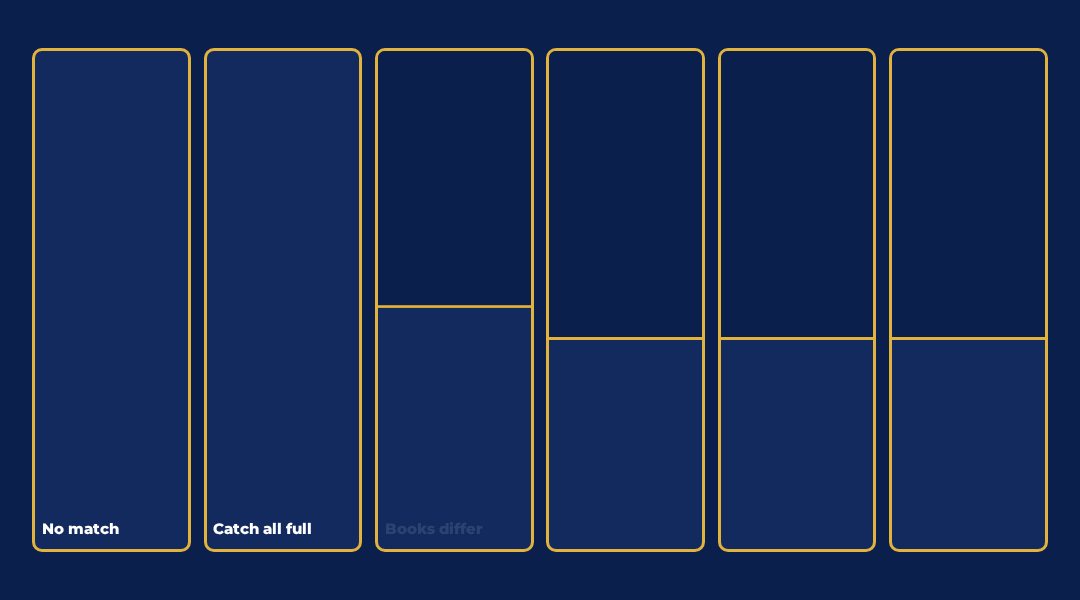
Six findings after someone says finished
A closed month has a closing date somebody set. If nobody set it, the month is still open.
1A deposit with no match
A deposit with no match
One deposit on the operating statement has no line to sit on. We leave the amount unstated, because a made up figure would pretend the miss had already been measured.
Name the statement date. If that one deposit is still loose, the first check stays open and the later checks wait.
2A catch all still full
A catch all still full
A holding account is a place to park a line for a day, not a home. When the balance is still there at the statement date, the cleanup has not finished.
We empty it into a real account, or we write why it has to stay, before anyone calls the file done.
3Books and the return differ
Books and the return differ
The books and the filed return should tell the same story. When they do not, the difference has to be written down in plain words, with the reason beside it.
Bring both. We read the gap with you and say whether October can still change the year.
4Owner spending in expenses
Owner spending in expenses
Money you took for yourself is not a business cost. It belongs in equity, where an owner can see it without hunting through meals and supplies.
We move those amounts and leave a note, so the next close does not put them back.
5A filed year left open
A filed year left open
A return can be filed and the year in the books can still accept new entries. A closing date is what stops that.
We set the date on the filed year after the other checks pass, and we tell you the date out loud.
6Sales tax still waiting
Sales tax still waiting
If the state already holds a filing, the same file can face it. We do not print a rate on this site, and we do not invent one to fill the silence.
Say whether a filing is open. The return is read in the same sitting as the months that already closed.
Who walks the month with you
Steven Palmieri, Tax CFO, the Entrepreneur's CFO. Steven and his team walk that open deposit with you, and a straight no, when the month is still open, is part of the help.
Write the month the bank and the books still disagree on. We open the cleanup on that month.
Tell us the statement date
You will be talking to the Steven Palmieri practice.
How the five checks run
Last spring an owner paid for a cleanup, and the invoice landed on a Thursday with the word finished on it. This afternoon the operating account still cannot name one deposit, and a catch-all account beside it still holds lines that nobody has given a home. The distrust starts there. Finished was said, and the bank has not agreed.
People promise the word quality. We refuse a guarantee. You should be able to fail the work, and you should be able to see which check failed before you pay the rest of the invoice.
First, the operating account matches the bank on a date you can name. A deposit with no match leaves that check open. We do not invent a dollar for that deposit, because a made up figure would make the miss look measured.
Second, the holding accounts are empty. A catch all is where a line waits for a day while someone finds its home. If the balance is still sitting there when the statement date arrives, the cleanup stopped early.
Third, the books and the filed return agree, or the difference is written down in words a stranger could follow. A silent gap is a failed check even when both documents look finished on their own.
Fourth, amounts you took for yourself sit in equity. Meals, supplies, and draws get mixed when a year was busy. The check is whether an owner can see those amounts without opening every expense account.
Fifth, a closing date protects the filed year. A return can be in, and the books can still accept a late entry. The date is what makes the year stay put.
The five checks belong to the afternoon when someone says the work is finished, not to the afternoon when lines are still being moved. If the bank check is still open, the other four wait. You do not owe the rest of that invoice, and we say that out loud to the owner who already paid once.
After a pass, the next month is expected by the tenth. A sales tax filing the state already holds can be faced from the same file. No percentage is printed here. Payroll setup is mapped to a company the owner names, and that company is the one that moves the money on payday.
October can still change the year when a failed check is caught in time. That is why the conversation does not wait for a separate season. The close, the return, and the question of what the year still allows stay in one talk.
You can read these five checks on this page before you ask us to run them against your file. A no on the bank match is said out loud, and the later months wait until that deposit has a line.
A good month after a pass
A good month starts from a bank feed you trust and ends on a statement date you already agreed. A feed can label a transfer between your own accounts as a sale. We stop that label before it becomes income, and we write down the account the money actually came from.
Uncleared items get a name and an age. A check that has been outstanding since spring is not the same trouble as a deposit from last Tuesday. We say which is which, and we do not hide both in one account.
The statements come from the closed month, not from a month that is still receiving entries. If a balance sheet is part of the work, it is the balance sheet of a month that already passed these checks.
You can pay the rest, set the tenth, or stop. All three are valid. Stopping after a pass is still a pass. No average fee is printed here, because an average would pretend your file is someone else's.
What the checks are not
When every check has passed, the owner who distrusted the word finished can point at the month and test it. What a signed report would add beyond that is written on the disclosures page, and we say it on the first call if a signature is what the file needs.
A monthly read starts only after the month has actually closed. If it has not, we close it first or we decline, and you hear which one before you commit. When the month is still open, the phone in the footer is how you hear that before the rest of the cleanup invoice is paid.
For that same owner, a pass is the month on the statement date you brought, check by check. A signed report, and any promise about later months, sit outside that pass and are named on the disclosures page. When a later month needs the same five checks, that month gets its own afternoon. The phone under the page is how you name the month, and we say whether the bank check is still open before the rest of the invoice comes up.